|
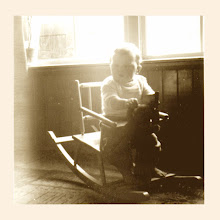
| "Danser le twist"(1965) © Malick Sidibé |
I have to admit I was puzzled (to say the least) when I found out - a few decades later - that this dance had been copied in several African countries (see also this post). A dance which conjures up images of awkward, even embarrassing body contortions by oversized humans, being performed in countries where dance and rhythm was an integral part of life? Why?
A key to an answer was given by Franco. In an interview in 1987 he pointed out that Africans have no problem in integrating influences from other continents. He himself was a great fan of 'musique slow', by which he meant a large repertoire varying from soul ballads to entertainment music from films and such. The fact that Africans took aboard influences was not a problem, according to Franco. The real problem was that the broad public in the US and Europe make no attempt to get to know the music from Africa.
Unfortunately, little has changed in the 26 years that have passed...
This brings me to the subject of this post. But with a twist....
 For in looking for a digital version of the sleeve* of this lp (which I copied to cassette sometime in the 1980s) I was struck by the constant references to the fact that a group from the UK had covered a song by this artist. One could easily get the impression that Daudi Kabaka's only contribution to the welfare of mankind has been that "his song "Helule Helule" was covered by The Tremeloes and () became a hit in United Kingdom" (wikipedia).
 Luckily there are others who manage to stay away from justifying the mention of an African artist by how he or she can be linked to the western world. I particularly like the article by Douglas Paterson, which highlights Kabaka's career from an African perspective.
If you ask me Daudi Kabaka has done more by singing songs like the delightful "Kiliyo Kwelu" and the slightly hyper "Jela Kubwa Na Viboko" than by allowing an english band to copy bits from a somewhat boring "Helule Helule".
POLP 531
*If anyone has it, please share it with us...